
In the automotive service industry, a tire balancer is an indispensable tool for ensuring vehicle safety, performance, and customer satisfaction. Properly balanced wheels prevent premature tire wear, improve fuel economy, and eliminate uncomfortable vibrations, leading to a smoother, safer ride. With various models and features available, selecting the right tire balancer for your shop can seem daunting. Eagle Equipment offers a diverse range of high-quality tire balancers designed to meet the demands of any professional environment. This guide will help you navigate the options to choose the perfect machine for your operational needs.
Understanding Different Balancing Methods
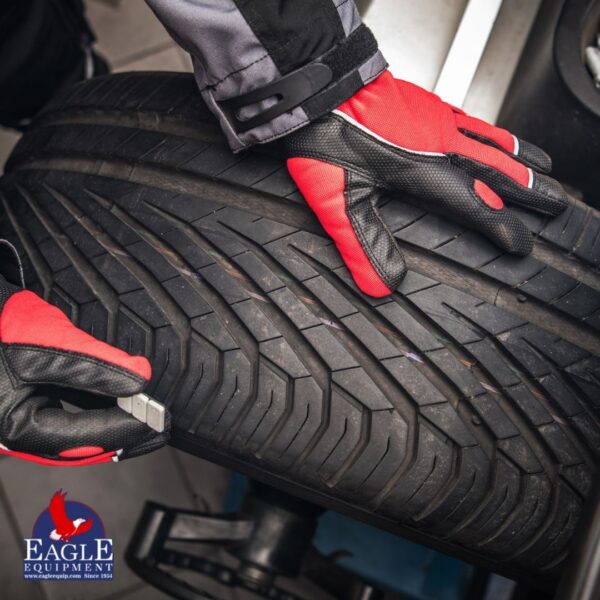
Tire balancers typically employ one of two primary balancing methods: static or dynamic. Static balancing corrects weight imbalances on a single plane, ideal for narrower wheels or for addressing minor up-and-down vibrations. Dynamic balancing, however, is far more comprehensive, correcting imbalances on two planes (inner and outer) of the wheel assembly. This method is crucial for modern wider wheels and tires, addressing both up-and-down and side-to-side vibrations for a truly smooth ride. Most professional shops opt for dynamic balancers due to their superior accuracy and versatility.
Automation and User Interface
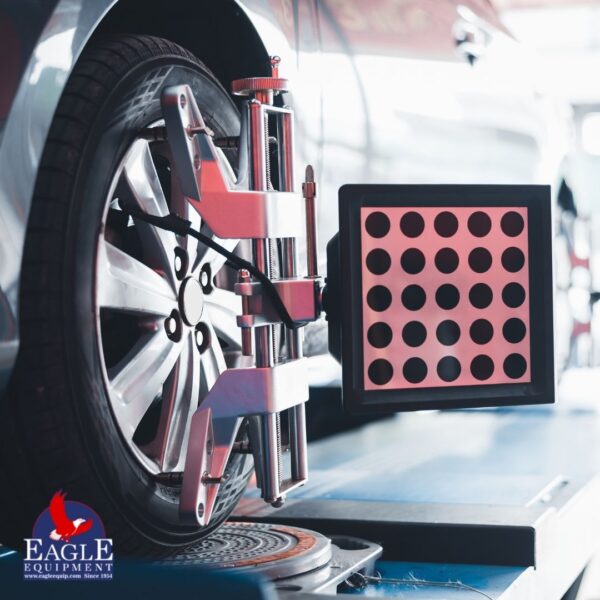
Modern tire balancers come with varying degrees of automation, significantly impacting efficiency. Features like automatic data entry (measuring wheel diameter, width, and offset), laser-guided weight placement, and automatic brake functions streamline the balancing process. A user-friendly interface, often a digital display or touchscreen, with clear graphics and intuitive controls, minimizes training time and reduces the chance of errors. For high-volume shops, investing in a machine with advanced automation can drastically cut down service times and increase throughput.
Capacity and Compatibility
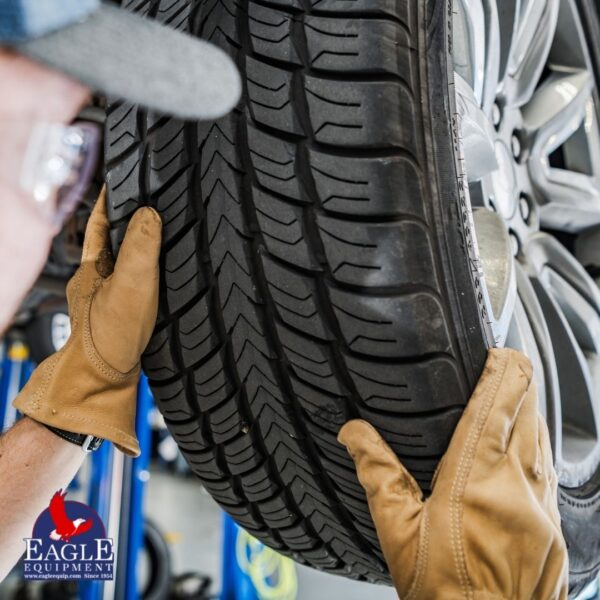
Consider the types of vehicles and wheels your shop services most frequently. Tire balancers have specific limits regarding wheel diameter, width, and weight. If you frequently work on large truck wheels or specialized aftermarket rims, ensure the balancer you choose has the necessary capacity and appropriate adapters. Compatibility with different wheel types, including those requiring flange plates or special mounting cones, is also essential. A machine that can handle a wider range of wheels offers greater flexibility and a broader service capability.
Durability and Support
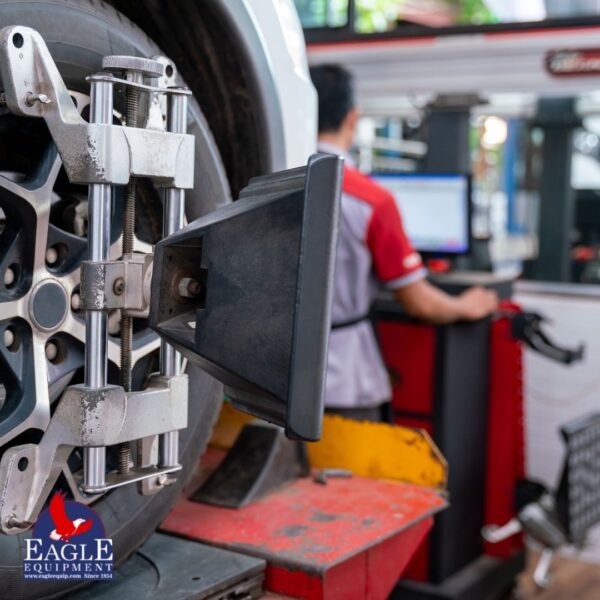
A tire balancer is a significant investment, so its durability and the manufacturer’s support are crucial. Look for machines built with high-quality components designed to withstand continuous use in a demanding shop environment. Research the manufacturer’s reputation for reliability and warranty coverage. Furthermore, consider the availability of spare parts and technical support. A machine that is easy to service and for which parts are readily available will ensure minimal downtime and a longer operational life, providing excellent return on investment.
Choosing the right tire balancer involves carefully considering balancing methods, automation features, capacity, and the long-term support offered. A well-chosen balancer will enhance your shop’s efficiency, improve service quality, and contribute to customer satisfaction. Eagle Equipment is your trusted source for high-performance tire balancers, tire changers, and car lifts. Explore our extensive selection online or contact our knowledgeable team to find the perfect balancing solution that aligns with your specific operational requirements and budget.